
How to Keep Your Boat Battery Healthy Throughout the Boating Season
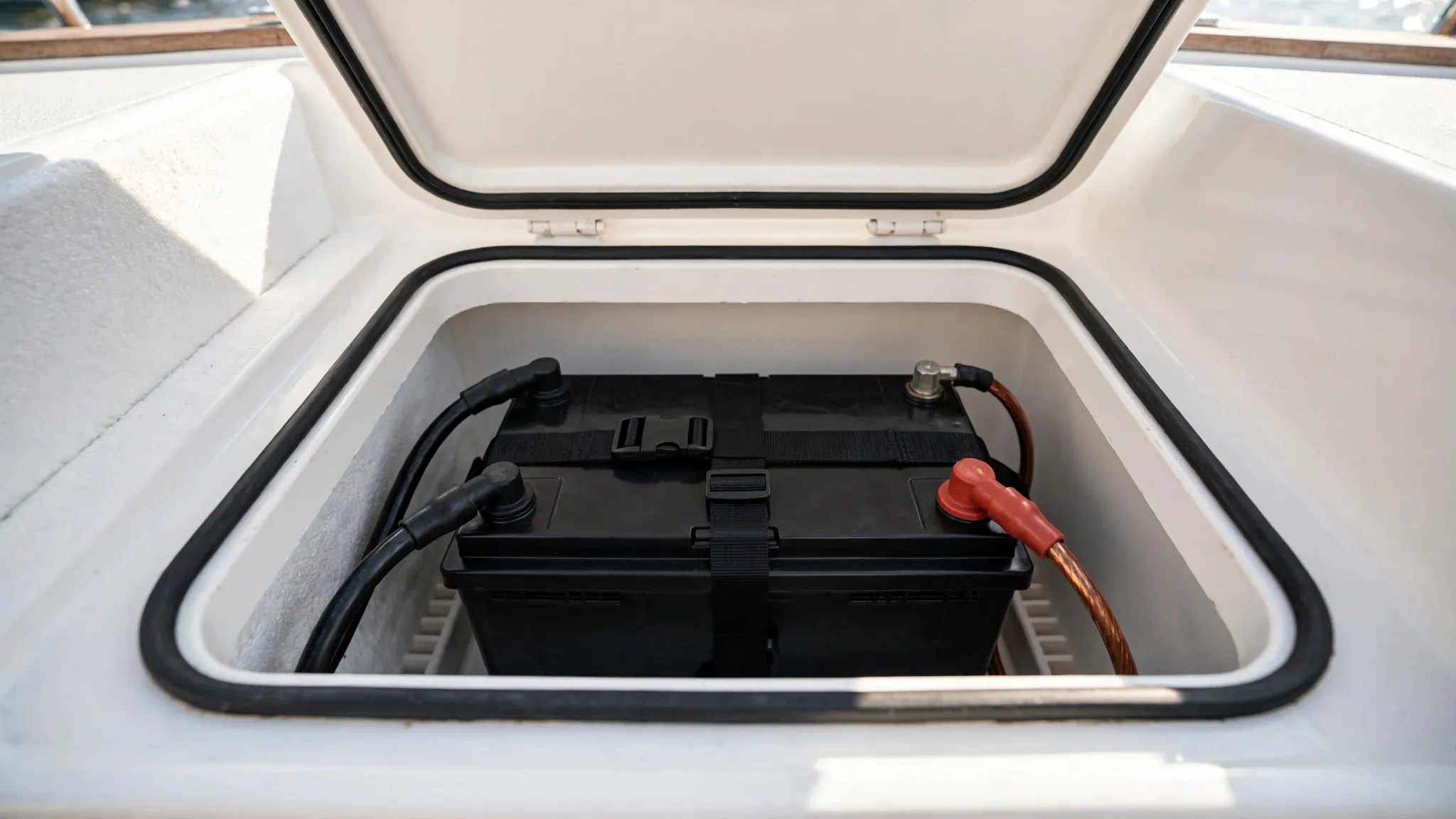
Keeping your Boat Battery Healthy is one of the most important parts of safe and reliable boating. A weak battery can leave navigation systems, lights, pumps, and engines without power when you need them most. According to the U.S. Coast Guard, mechanical failures, including electrical problems, remain a contributing factor in many recreational boating incidents each year. Battery care is not difficult, but it requires consistent maintenance throughout the season.
We have worked with recreational boat owners who discovered that most battery failures were preventable. Regular inspections, proper charging, and correct storage extended battery life by several seasons. Marine batteries typically last between 3 and 6 years, depending on battery type, charging habits, and environmental conditions. Heat, vibration, and deep discharging remain the biggest causes of early battery failure.
This guide explains practical steps to keep your Boat Battery Healthy during every boating trip. We also cover charging practices, maintenance schedules, warning signs, and expert recommendations that improve battery reliability while reducing replacement costs.
Why Keeping Your Boat Battery Healthy Matters
Reliable Power Protects Every Trip
A healthy routine for your boat battery ensures your boat starts reliably and that every electrical system performs correctly. Modern boats rely on batteries for GPS units, fish finders, radios, lighting, bilge pumps, and engine ignition. Even a partially discharged battery can reduce equipment performance during extended outings.
Battery voltage also affects charging efficiency. A fully charged 12-volt lead-acid battery should measure about 12.6 to 12.8 volts when resting. Readings below 12.4 volts indicate the battery needs charging. Allowing voltage to remain low accelerates sulfation, which permanently reduces battery capacity.
Benefits of Proper Battery Maintenance
Extends battery lifespan by several years.
Improves engine starting reliability.
Supports onboard electronics consistently.
Reduces emergency breakdown risks.
Lowers long-term replacement costs.
| Battery Type | Average Lifespan | Maintenance Level | Best Use |
|---|---|---|---|
| Flooded Lead-Acid | 3–5 years | High | General boating |
| AGM | 4–6 years | Low | Fishing and cruising |
| Gel | 4–6 years | Low | Deep-cycle applications |
| Lithium LiFePO4 | 8–10 years | Very Low | Premium marine systems |
Best Practices to Keep Your Boat Battery Healthy
Charge Correctly After Every Trip
One of the most effective ways to keep your Boat Battery Healthy is to charge immediately after use. Marine batteries should never remain partially discharged for long periods. Sulfation begins within days when lead-acid batteries stay below full charge.
Use a smart marine charger with multi-stage charging. These chargers automatically switch between bulk, absorption, and float modes. This process prevents overcharging while maintaining full capacity. Match charger settings to the battery chemistry, whether flooded, AGM, gel, or lithium.
Inspect and Clean Battery Connections
Battery terminals naturally collect corrosion from moisture and salt exposure. Corrosion increases electrical resistance, reducing charging efficiency and engine performance. Inspect battery terminals every month during boating season.
Disconnect the negative cable first before cleaning. Remove corrosion using a mixture of baking soda and water, then rinse and dry thoroughly. Apply marine-grade dielectric grease afterward to protect terminals from future oxidation. Tight battery connections also reduce vibration damage during rough water conditions.
Seasonal Maintenance Schedule for Long Battery Life
Follow a Consistent Inspection Routine
Preventive maintenance remains the easiest way to keep your Boat Battery Healthy throughout the season. Professional marine technicians recommend checking batteries at least once each month, especially during heavy summer use.
Create a simple maintenance checklist:
Inspect battery voltage.
Check cable tightness.
Clean terminal corrosion.
Verify electrolyte levels in flooded batteries.
Secure battery mounting brackets.
Inspect charger operation.
Test battery capacity before long trips.
Avoid Common Battery Mistakes
Many battery failures result from avoidable habits. Leaving electronics running while the engine is off creates unnecessary deep discharges. Using automotive chargers instead of marine chargers may also damage battery cells.
Excessive heat shortens battery life dramatically. Research from Battery Council International shows that every 15°F increase above 77°F speeds internal chemical aging. Whenever possible, keep battery compartments ventilated and protected from direct sunlight.
Signs Your Boat Battery Needs Attention
Recognize Problems Before Failure
Even with excellent maintenance, every battery eventually wears out. Early warning signs allow replacement before complete failure occurs. Watch for slow engine cranking, dim navigation lights, electronic resets, or difficulty holding a charge.
Voltage testing provides valuable insight. A resting voltage below 12.2 volts after charging often indicates declining battery health. Load testing offers even greater accuracy because it measures battery performance under operating conditions.
Expert Recommendations
Experienced marine service technicians recommend replacing batteries before peak boating season if capacity drops below 80% during testing. Waiting until complete failure often creates expensive towing or emergency repair situations.
Battery monitors also provide continuous voltage tracking while underway. These inexpensive devices help identify charging system issues before permanent battery damage develops. Explore our latest insights in Winter-Proofing Your Solar Power System for Norwegian Conditions.
Conclusion
Keeping your Boat Battery Healthy requires consistent maintenance rather than expensive repairs. Regular charging, clean terminals, proper voltage monitoring, and monthly inspections significantly improve battery performance and lifespan. Choosing the correct charger and avoiding deep discharges also protects your investment throughout the boating season.
A well-maintained marine battery delivers dependable engine starts and reliable power for every onboard system. Following these expert-backed practices helps reduce unexpected failures while improving safety on the water. Small maintenance efforts today often prevent costly battery replacements and interrupted boating adventures later.