
Winter-Proofing Your Solar Power System for Norwegian Conditions
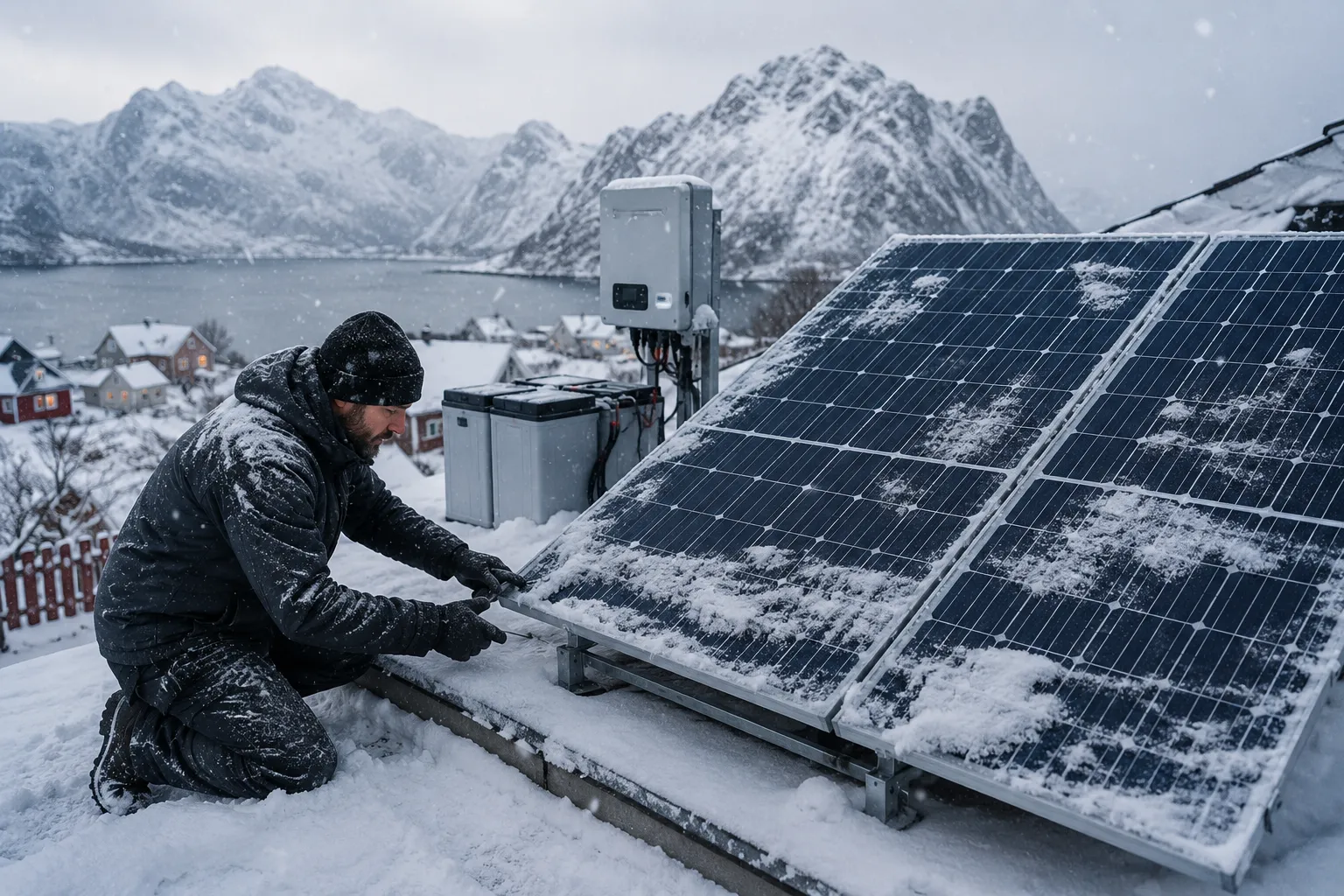
A Solar Power System can operate efficiently throughout Norwegian winters when properly maintained and prepared.
Norway experiences some of Europe’s harshest winter conditions, including temperatures below -20°C, heavy snowfall exceeding 200 centimeters annually in some regions, and limited daylight during winter months. These conditions create challenges for solar panel performance, but they also offer unique advantages.
Cold temperatures actually improve solar panel efficiency. Most photovoltaic panels perform better between -10°C and 15°C than during hot summer weather. According to industry performance data, solar panels can operate up to 15% more efficiently in cold temperatures compared to temperatures above 35°C.
The main challenge is not the cold itself but snow accumulation, reduced daylight hours, and winter weather impacts on electrical components.
Proper winter preparation helps homeowners protect their investment and maintain reliable energy production. By implementing seasonal maintenance, monitoring system performance, and addressing weather-related risks, we can ensure consistent operation throughout Norway’s demanding winter season.
Understanding how winter conditions affect solar generation allows us to maximize performance and reduce unexpected maintenance costs.
Why Norwegian Winters Affect Solar Performance
Snow Coverage and Reduced Sunlight
Snow accumulation is the largest winter challenge for any Solar Power System in Norway. A thick snow layer can block sunlight entirely, reducing power generation until the panels are cleared. Even a few centimeters of snow can significantly impact output.
Shorter daylight hours also affect energy production. Oslo receives approximately 6 hours of daylight in December, while Tromsø experiences periods of polar night. Less sunlight naturally reduces daily energy generation.
Key Winter Challenges
Heavy snow accumulation on panels.
Ice formation around mounting systems.
Reduced daylight hours.
Increased battery heating requirements.
Potential wiring exposure to extreme cold.
Despite these challenges, snow-covered surroundings can increase solar production through reflected sunlight. Fresh snow can reflect up to 90% of sunlight, creating additional irradiance that benefits solar panels positioned at optimal angles.
Preparing Solar Panels Before Winter Arrives
Essential Seasonal Maintenance
Preparing a Solar Power System before the first snowfall reduces winter performance issues. Fall inspections help identify potential problems before harsh weather conditions arrive.
We recommend performing a complete visual inspection during October or early November. Check mounting brackets, roof attachments, wiring connections, and inverter housing for signs of wear.
Loose hardware can become problematic during winter storms and strong winds.
A professional inspection should verify the following:
| Maintenance Task | Recommended Timing | Purpose |
|---|---|---|
| Panel Cleaning | October | Remove dirt and debris |
| Wiring Inspection | October | Prevent weather damage |
| Mounting Check | Before snowfall | Ensure structural stability |
| Inverter Testing | Autumn | Confirm system operation |
| Monitoring Setup | Year-round | Track winter performance |
Clean panels before winter begins. Dirt and debris combined with snow can create stubborn buildup that reduces efficiency throughout the season.
Protecting Batteries and Electrical Components
Cold Weather Energy Storage Management
Battery systems require special attention during Norwegian winters. Lithium-ion batteries typically perform best between 0°C and 25°C. Extremely low temperatures can temporarily reduce battery capacity and charging efficiency.
Many modern battery storage systems include integrated thermal management. These systems automatically regulate internal temperatures and protect battery cells from damage.
Homeowners should verify these features before winter arrives.
Important Battery Protection Measures
Install batteries in insulated indoor locations.
Maintain manufacturer-recommended operating temperatures.
Monitor charging performance regularly.
Keep ventilation systems unobstructed.
Update battery management software.
Electrical components also need protection from moisture and ice. Weatherproof enclosures should remain sealed and free from snow accumulation.
Regular inspections help identify potential issues before they cause system interruptions.
Industry technicians report that battery systems maintained within recommended temperature ranges experience significantly fewer winter-related performance losses than unprotected installations.
Optimizing Energy Production During Winter
Smart Monitoring and Snow Management
Effective monitoring helps homeowners maximize Solar Power System performance throughout winter. Modern monitoring platforms provide real-time production data, allowing quick identification of snow-related output reductions.
Snow removal may be necessary after major storms. However, safety should always remain the top priority. Roof-mounted panels can be dangerous to access during icy conditions.
Best Practices
Use monitoring software to track production.
Compare output with historical winter averages.
Remove snow only when safely accessible.
Avoid metal tools that may damage panel surfaces.
Schedule professional maintenance when necessary.
Research from Nordic solar installations shows that panels installed at steeper angles often shed snow naturally. Angles between 35° and 45° generally improve winter snow shedding compared with flatter installations.
Many homeowners find that occasional snow accumulation causes only temporary production losses because sunlight and panel heat help accelerate snow melting during clear winter days. Start your journey with our guide to solar installations.
Conclusion
A properly maintained Solar Power System can perform reliably throughout Norwegian winters despite snow, ice, and reduced daylight.
Cold temperatures often improve panel efficiency, while reflected sunlight from snow can provide additional energy gains. Success depends on proactive maintenance, battery protection, system monitoring, and seasonal inspections.
By preparing before winter arrives and addressing weather-related challenges early, homeowners can protect equipment, maintain energy production, and extend system lifespan.
With the right winterization strategy, solar energy remains a dependable and cost-effective renewable power source even under Norway’s demanding winter conditions.